
February 2022: VBS Literature Update
Gretchenig C, Reiter GS, Riedl S, et al. Impact of residual subretinal fluid volumes on treatment outcomes in a subretinal fluid-tolerant treat-and-extend regimen. Retina. 2021;41(11):2221-2228.
Abstract by Maxwell Stem, MD
How Residual SRF Affects Visual Acuity in Patients With nAMD

The axiom that the goal of anti-VEGF therapy is to completely dry the retina in cases of neovascular age-related macular degeneration (nAMD) was recently called into question by the FLUID study. In this prospective clinical trial, patients with nAMD undergoing a treat-and-extend protocol were randomized to either a subretinal fluid (SRF) tolerant group (where patients could be extended if there was < 200 µm of subfoveal SRF) or an SRF intolerant group (where patients could not be extended if any SRF was present). Visual acuity gains in the SRF tolerant group were noninferior to the SRF intolerant group at 24 months, thus calling into question the necessity of completely drying the retina when treating patients with nAMD.
More recently, Grechenig et al. completed a post-hoc analysis of the FLUID data to quantitatively investigate the association between residual SRF volumes and treatment outcomes. They used artificial intelligence to automatically calculate SRF volumes in the central 1 mm and central 6 mm of the macula. Their study included only those patients in the SRF tolerant arm of the FLUID study meeting prespecified criteria (n = 98 patients). They then divided all of the patient visits from these 98 patients into two subgroups: 1) those encounters where patients were extended despite having residual SRF (n = 173 visits) and 2) those encounters where patients were extended and had no SRF (n = 202 visits). Their main finding was that among patients who were extended despite having residual SRF, increased SRF was associated with decreased best corrected visual acuity (BCVA) at the next visit. This effect was most pronounced when the fluid was in the central 1 mm of the macula (-0.138 letters per nL of SRF, P = .014). Similarly, they found that increasing the treatment interval despite residual SRF was associated with decreased BCVA (-0.250 letter per week interval, P < .001). Finally, patients who were extended despite residual SRF showed increased SRF volumes at the next visit in both the central 1 mm and 6 mm of the macula.
The current study seems to suggest that extending the treatment interval in patients with nAMD who have residual SRF may have detrimental effects on their visual acuity at the next visit. Physiologically speaking, these results are intuitive because a normal, healthy, retina lacks both SRF and intraretinal fluid. However, the notion that the retina should be treated until it is completely dry has been challenged not just by the FLUID study but also by post-hoc analyses of CATT data showing that the presence of SRF at the foveal center was associated with a better mean BCVA than the absence of SRF. Explaining these conflicting results will require further study, and the authors acknowledge that studies with longer follow-up and more patients will be necessary to truly elucidate the effects of SRF on treatment outcomes in patients with nAMD.
Details
Overview
Learning Objectives
Upon completion of this activity, the participant should be able to:
- Understand the relationship between subretinal fluid (SRF) and visual acuity in patients with neovascular age-related macular degeneration (nAMD)
- Identify the effect that increasing the treatment interval may have on residual SRF volume among patients with nAMD
Participation Method
In order to obtain credit, proceed through the program, complete the post-test, evaluation and submit for credit.
Faculty and Disclosures
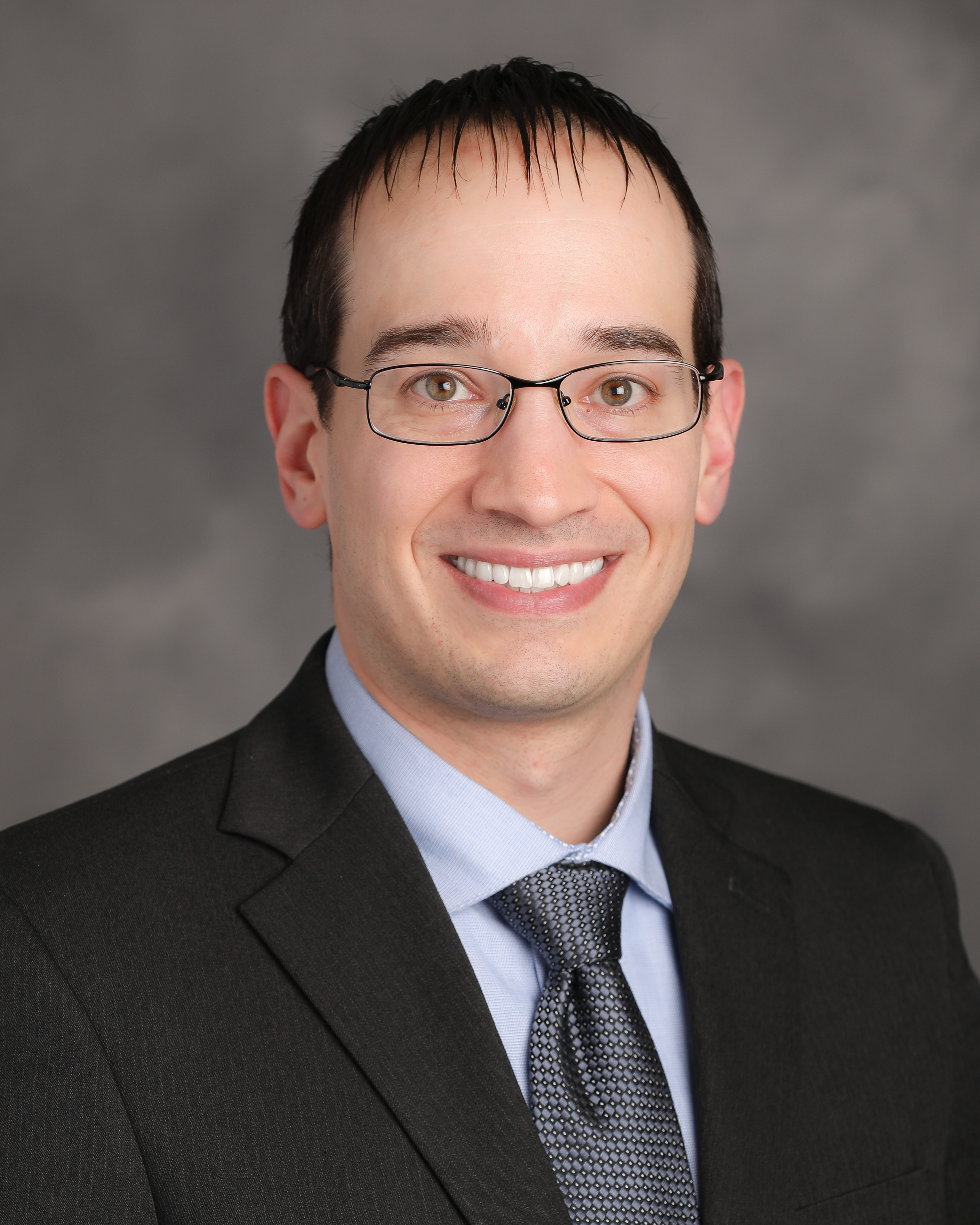
Maxwell Stem, MD
Pennsylvania Retina Specialists, PC
Camp Hill, PADISCLOSURE POLICY
It is the policy of Evolve that faculty and other individuals who are in the position to control the content of this activity disclose any real or apparent financial relationships relating to the topics of this educational activity. Evolve has full policies in place that will identify and mitigate all financial relationships prior to this educational activity.The following faculty/staff members have the following financial relationships with ineligible companies.
Maxwell Stem, MD, has had no financial relationships with an ineligible company.
The Evolve staff and planners have no financial relationships with ineligible companies.
Nisha Mukherjee, MD, peer reviewer, has no financial relationships with ineligible companies.Disclaimer
OFF-LABEL STATEMENT
This educational activity may contain discussion of published and/or investigational uses of agents that are not indicated by the FDA. The opinions expressed in the educational activity are those of the faculty. Please refer to the official prescribing information for each product for discussion of approved indications, contraindications, and warnings.DISCLAIMER
The views and opinions expressed in this educational activity are those of the faculty and do not necessarily represent the views of Evolve or Vit Buckle Society.System Requirements
- Supported Browsers (2 most recent versions):
- Google Chrome for Windows, Mac OS, iOS, and Android
- Apple Safari for Mac OS and iOS
- Mozilla Firefox for Windows, Mac OS, iOS, and Android
- Microsoft Edge for Windows
- Recommended Internet Speed: 5Mbps+
0.25 credits
Completing the pre-test is required to access this content.
Completing the pre-survey is required to view this content.
Ready to Claim Your Credits?
You have attempts to pass this post-test. Take your time and review carefully before submitting.
Good luck!
Recommended


Christina Y. Weng, MD, MBA, FASRS
Katherine E. Talcott, MD
Katherine E. Talcott, MD
Roger A. Goldberg, MD, MBA
Katherine E. Talcott, MD
Roger A. Goldberg, MD, MBA